

Understanding the lifetime costs of HVAC systems can feel overwhelming, but taking note of the different components and expenses involved is key to making informed decisions. From initial installation costs to ongoing maintenance and energy efficiency, each aspect is vital in managing your budget effectively. Read our comprehensive guide to discover how you can optimize your HVAC investment and ensure comfort and savings for years to come.
Understanding the Components of HVAC Systems
Types of HVAC Systems
Understanding the types of HVAC systems is crucial when planning for their lifetime costs. Each system has unique features, benefits, and potential drawbacks, influencing both initial expenses and ongoing efficiency. Here’s a breakdown to help you choose the most suitable option for your home:
- Central Air Conditioning Systems: Commonly used in larger homes, these systems provide efficient cooling through ductwork but can be expensive to install and maintain.
- Ductless Mini-Split Systems: Best for houses without existing ductwork, these systems offer flexibility and energy efficiency, though they might incur higher initial costs per unit.
- Heat Pumps: Offers both heating and cooling, making them versatile, especially in moderate climates. However, they can struggle in extreme temperatures.
- Furnaces and Boilers: Traditional choices for heating, these systems are reliable but may not be as energy-efficient as newer technologies.
- Geothermal Systems: Highly efficient and environmentally friendly, these systems require a significant upfront investment and sufficient yard space for installation.
Key Components and Their Functions
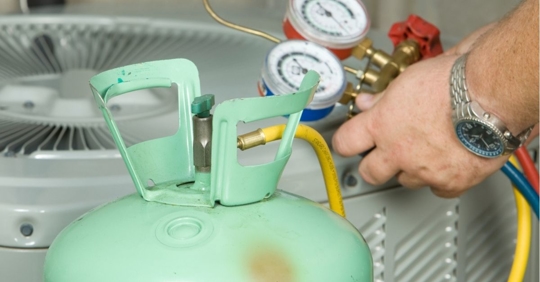
Grasping the key components of HVAC systems aids in anticipating maintenance and replacement costs. The compressor moves the refrigerant back and forth between the evaporator and condenser, with evaporators absorbing heat and condensers releasing it outside. Thermostats control system operations, with smart thermostats enhancing energy efficiency. Air handlers distribute conditioned air, and ductwork is crucial for central systems, requiring regular upkeep to maintain efficiency. Routine maintenance, like cleaning coils and replacing filters, can prevent costly repairs and extend component longevity.
Energy Efficiency Ratings
Energy efficiency ratings are crucial for budgeting, impacting long-term operating expenses. The Seasonal Energy Efficiency Ratio (SEER) evaluates the cooling efficiency of an HVAC system, whereas the Heating Seasonal Performance Factor (HSPF) applies to heat pump heating efficiency. Furnace efficiency is indicated by the Annual Fuel Utilization Efficiency (AFUE), with a higher AFUE denoting better fuel use. The Energy Efficiency Ratio (EER) evaluates cooling performance efficiency. These ratings help balance upfront costs with long-term savings, ensuring optimal investment value.
Initial Costs and Installation Expenses
Cost Breakdown by System Type
HVAC system costs vary by type. Central air systems typically range from $3,000 to $7,000, including installation. Ductless mini-splits cost $2,000 to $5,000 per unit, with multiple units needed for larger spaces. Heat pumps generally fall between $4,000 and $8,000. Furnaces and boilers cost $2,500 to $7,500, depending on fuel type and efficiency. Geothermal systems are the most expensive, ranging from $10,000 to $30,000, but offer significant long-term savings.
Installation Factors Affecting Costs
Several factors influence HVAC installation costs. Home size and layout affect the extent of ductwork and system capacity needed. Existing ductwork can reduce costs, but new installations add expenses. Labor costs vary by region and contractor, making multiple quotes essential. Permits and inspections are often required, adding to costs. Choosing a reputable, licensed, and insured contractor ensures proper installation, maximizing system efficiency and longevity.
Choosing the Right Contractor
Selecting the right contractor is key to successful HVAC installation. Ensure your contractor is insured and licensed to avoid liabilities. Gathering multiple quotes allows for price and service comparison. Checking references and reviews offers insights into reliability and quality. Understanding contractor warranties and guarantees is also crucial, as a good warranty can save on future repairs. A detailed estimate explaining costs ensures transparency and prevents surprises.
Ongoing Maintenance and Operating Costs
Routine Maintenance Tasks
Regular maintenance is essential for HVAC longevity and efficiency. Swap out filters every 1-3 months to enhance air quality and boost system performance. Clean coils and ducts annually to prevent efficiency-reducing buildup. Thermostat calibration ensures correct temperature operation, saving energy. Lubricating moving parts reduces friction, extending component life. Seasonal professional inspections catch potential issues early, preventing costly repairs.
Energy Consumption and Utility Bills
Energy consumption significantly impacts HVAC operating costs. Factors include system efficiency, home insulation, and thermostat settings. High-efficiency systems and improved insulation can lower energy use. Sealing leaks reduces HVAC workload. Smart thermostats and energy management systems optimize energy use by adjusting temperatures based on schedules, providing potential long-term savings.
Repair and Replacement Costs
Understanding repair and replacement costs is crucial for budgeting. Common repairs include refrigerant leaks, compressor replacements, and ductwork repairs, ranging from $150 to $1,500. Regular maintenance can prevent many issues, but systems will eventually need replacement. Frequent breakdowns, rising energy bills, and inconsistent temperatures are signs of needed replacement. Weighing repair costs against new system costs helps decide whether to repair or replace.
Long-Term Savings and Efficiency Improvements
Investing in High-Efficiency Systems
High-efficiency HVAC systems significantly reduce energy use, leading to lower utility bills and long-term savings. While they may have higher initial costs, rebates, and incentives often help offset these expenses. These systems offer better temperature control and improved air quality, enhancing both comfort and savings.
Home Insulation and Weatherization
Proper insulation and weatherization are essential for maximizing HVAC efficiency by maintaining consistent indoor temperatures and reducing system strain. This involves insulating key areas and sealing leaks to enhance energy efficiency. Such measures lower operating costs and increase overall comfort.
Smart Home Integration
Smart home technology integration with HVAC systems offers convenience and energy savings. Smart thermostats and automation systems optimize energy use by adjusting settings based on occupancy and schedules. This technology helps identify efficiency improvements, enhancing overall system performance.
Financing Options and Budget Planning
Financing HVAC Systems
Financing options can make the initial cost of HVAC systems more accessible. Personal loans offer fixed rates, while home equity loans provide lower rates using your home as collateral. Manufacturer financing and utility company loans offer flexible terms and low-interest options, allowing payments to be included in your monthly utility bills.
Budgeting for HVAC Costs
Establishing a long-term budget for HVAC expenses helps manage costs effectively and prevents unexpected financial burdens. Allocate funds for installation, routine maintenance, and potential repairs. Consider a dedicated savings account for HVAC spending, ensuring system efficiency and longevity without financial stress.
Tax Credits and Incentives
Tax credits and incentives can significantly lower the costs of new HVAC systems. Federal and state credits reduce tax liabilities for energy-efficient systems, while utility rebates offer savings for high-efficiency systems and home improvements. Local programs provide additional rebates, making high-efficiency systems more affordable through strategic research and application.
HVAC Installation in Voorhees, NJ
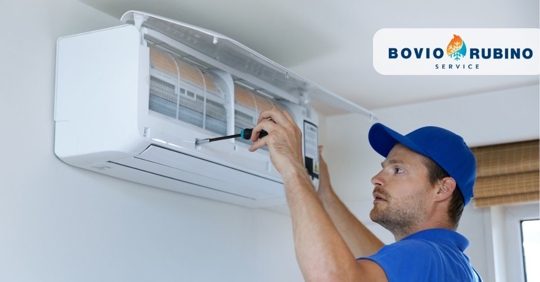
Investing in a new HVAC system is significant, requiring careful planning and budgeting. Bovio Rubino Service in Voorhees, NJ, offers expertise from selection to installation and maintenance. Contact us at (856) 272-7000 for a consultation. Let us help create a comfortable, energy-efficient home that fits your budget.